







Search Results for: Natural Blue Mountain
An Analysis of the Flavor Differences Between Natural and Washed Blue Mountain Coffee and a Guide to Brewing Natural Blue Mountain
Front Street Coffee's Blue Mountain coffee has long presented a classic balanced flavor through wet processing. Since 2019, it has begun exploring natural processing, and in 2020, it first exported small batches of natural Blue Mountain. This article systematically compares two Blue Mountain No. 1 coffees from Jamaica's Clifton Farm—natural and washed—from brewing techniques to flavor performance. Clifton Farm has an average elevation of 1,310 meters, a cultivation history dating back to the mid-eighteenth century, and is the only coffee farm in Jamaica certified by the Rainforest Alliance. The article will document brewing parameters and techniques in detail, and separately describe the aroma, acidity, sweetness, body, and aftertaste of the two coffees, helping coffee enthusiasts understand the specific flavor differences between natural Blue Mountain and washed Blue Mountain, while also providing brewing suggestions for natural Blue Mountain. [more…]
An Analysis of Jamaican Blue Mountain No. 1 Flavor Characteristics: A Complete Overview of Washed and Natural Processing, Roasting Key Points, and Brewing Parameters
Blue Mountain coffee, as Jamaica's most renowned coffee representative, occupies a unique position in the global specialty coffee world with its balanced and elegant flavor. The two Clifton Farm Blue Mountain coffees offered by Front Street Coffee—washed and natural processed—provide coffee enthusiasts with an opportunity for comparative tasting. This article will start with the Blue Mountain coffee region certification standards, grade classification system, and green bean identification methods, then provide a detailed analysis of the specific effects of washed and natural processing methods on flavor, along with Front Street's brewing parameters and staged extraction techniques, helping readers fully understand the characteristics and charm of authentic Jamaican Blue Mountain No. 1 coffee. [more…]
Jamaica Blue Mountain Coffee Bean Flavor Analysis: Washed vs. Natural Processing Differences and Authenticity Identification Guide
Jamaican Blue Mountain coffee has long stood at the pinnacle of specialty coffee thanks to its balanced, elegant flavor and scarce production. This article focuses on Front Street Blue Mountain coffee, systematically sorting out its origin environment, identification points, historical policies, and variety origins, and highlighting a comparison of the flavor differences between two Blue Mountain coffees from Clifton Estate: washed and natural. At the same time, it explains in detail the operational processes of the two processing methods, natural and washed, helping coffee enthusiasts fully understand the preciousness of Blue Mountain coffee and the logic of tasting it. [more…]

Who is authentic Blue Mountain coffee suitable for? Front Street Blue Mountain No. 1 washed vs. natural brewing comparison and key points for identification
Blue Mountain coffee has long been famous for its clean, balanced, and mellow flavor, but not everyone clearly understands what kind of drinker it actually suits, nor the difference between authentic Blue Mountain and the common "Blue Mountain flavor" found on the market. This article starts with Front Street Jamaica · Blue Mountain No. 1 coffee beans, sorting out the Blue Mountain producing region, Clifton Estate, and grade classifications, comparing the brewing flavor differences between the washed and natural processing methods, and providing a plan for water temperature, grinding, and pouring under the KONO dripper. At the same time, the article will also explain how to identify true Blue Mountain with the help of key points such as CIB-designated exports, barrel-packed green beans, and Rainforest Alliance certification, and further introduce recent changes such as Blue Mountain Geisha, helping coffee lovers gain a more complete understanding of the value of Blue Mountain coffee and how to drink it. [more…]
Jamaican Blue Mountain Coffee Beans: Flavor Characteristics, Authenticity Identification, Clifton Estate, and Washed vs. Natural Comparison
Jamaican Blue Mountain coffee has always been a legend in the specialty coffee world, known for its balanced, elegant flavor and scarce production. Front Street Coffee takes you on a deep dive into Blue Mountain coffee's growing conditions, flavor characteristics, methods for verifying authenticity, and the unique status of Clifton Estate. The article also compares the flavor differences brought by washed and natural processing methods, and introduces Blue Mountain coffee's historical origins, variety sources, certification standards, and current market situation. Whether you are a beginner just encountering Blue Mountain or a seasoned enthusiast looking to further understand the differences between processing methods, you will find valuable information here. [more…]
Flavor Characteristics and Brewing Guide for Authentic Jamaican Blue Mountain No. 1 Coffee Beans: Water Temperature, Grind Size, and Washed vs. Natural Comparison
Blue Mountain coffee is a legend in the hearts of countless coffee lovers, but most products on the market bearing the name "Blue Mountain flavor" have nothing to do with authentic Blue Mountain. The truly Jamaica Coffee Board-certified Blue Mountain No. 1 is scarce in production and subject to stringent standards. The Blue Mountain No. 1 listed by Front Street Coffee comes from Clifton Estate, which holds Rainforest Alliance certification and barrel export qualifications. This article will examine, one by one, the growing environment of the Blue Mountains, the history of Clifton Estate, the characteristics of the Typica variety, the differences between the washed and natural processing methods, and the grading standards and certification system for Blue Mountain coffee. It will also share the brewing method recommended by Front Street, including the use of the KONO dripper, the coffee-to-water ratio, water temperature, and grind size, and compare the flavor differences between natural and washed Blue Mountain, helping readers gain a comprehensive understanding of this legendary coffee. [more…]
An Analysis of the Three Major Jamaican Blue Mountain Coffee Categories and the Grading Standards for Blue Mountain Coffee Beans
Blue Mountain coffee has long enjoyed a stellar reputation, yet genuine Jamaican Blue Mountain is rarely found on the market. In this article, Front Street Coffee will systematically walk coffee enthusiasts through the three major categories of Blue Mountain coffee and the grading standards for Blue Mountain coffee beans, explain in detail the differences between the washed and natural processing methods, trace the history of the Blue Mountain region from the 18th century to the present, and introduce practical ways to identify authentic Blue Mountain coffee. The article also includes Front Street's brewing parameters and flavor comparison for washed and natural Blue Mountain, helping everyone gain a more comprehensive understanding of this classic that is hailed as the cream of the crop among coffees. [more…]
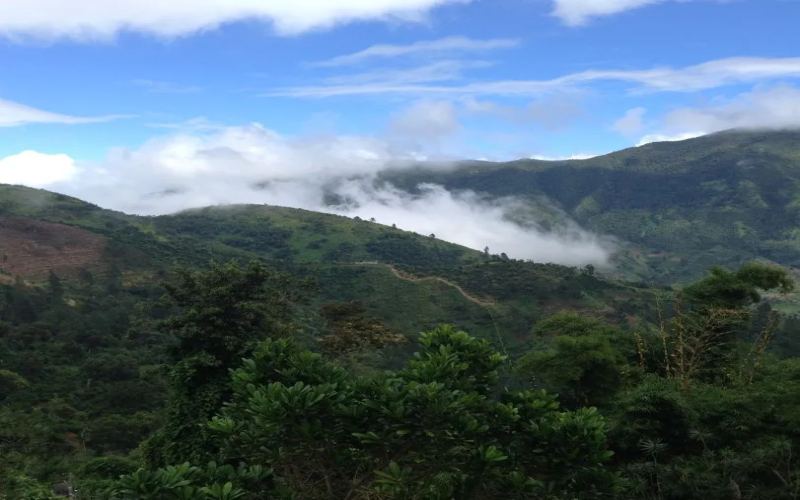
Jamaica Blue Mountain Coffee Bean Variety Analysis: A Complete Guide to Typica Arabica, Grading Standards, and Flavor Characteristics
Blue Mountain coffee and Kopi Luwak were once ranked side by side as the most expensive and top-tier coffee representatives in the minds of Chinese consumers. But what variety do Blue Mountain coffee beans actually belong to? Why has it earned the reputation of "King of Coffee"? This article will systematically analyze the identity code of authentic Blue Mountain coffee, starting from the geographical environment of Jamaica Blue Mountain, variety tracing, grading system, and historical evolution. At the same time, Front Street Coffee will combine Blue Mountain coffee beans from Clifton Farm to share the differences between washed and natural processing methods, cupping flavor performance, and pour-over brewing parameters, taking you through a comprehensive understanding of this legendary coffee. [more…]
Blue Mountain No. 1 Pour-Over Coffee: Grind Size, Water Temperature Parameters, Suitable Groups, and Authenticity Guide
Blue Mountain No. 1 coffee beans have always been celebrated for their balanced, mellow flavor, but when it comes to pour-over, exactly what water temperature and grind size should you use? How do the washed and natural processing methods differ in their brewing performance? Starting from the growing region background of Front Street Jamaica Blue Mountain No. 1, this article provides a detailed analysis of the cultivation conditions and grading standards at Clifton Estate, offers a complete brewing recipe with a recommended water temperature of 88°C, a small Fuji ghost-tooth grinder setting of 4.5, and a coffee-to-water ratio of 1:15, and compares the flavor profiles of the natural and washed processes. It also lays out three key points to help readers identify authentic Blue Mountain coffee, and reviews the innovative breakthroughs in processing methods and varieties that Blue Mountain has seen in recent years. [more…]
A Complete Analysis of Jamaican Blue Mountain No. 1 Coffee Beans: From History and Producing Regions to Identification Methods, with Pour-Over Parameters and Brewing Practice
Jamaican Blue Mountain coffee is a timeless classic in the world of specialty coffee. Even in 2020, Front Street Jamaican Blue Mountain No. 1 remains a formidable competitor that many new varieties find hard to shake. This article, from the perspective of Front Street Coffee, systematically sorts through the historical origins of Blue Mountain coffee, the definition of authentic growing regions, CIB grading standards, the characteristics of the Typica variety, and the two major misconceptions that people easily fall into when distinguishing authenticity. It also includes the green bean characteristics, roasting curves, and cupping flavors of Front Street washed Blue Mountain and sun-dried Blue Mountain, and provides hand-brewing parameters and staged pouring schemes for the Kono dripper, helping enthusiasts truly understand Blue Mountain, choose the right Blue Mountain, and brew a good cup of Blue Mountain. [more…]
Why Is Jamaican Blue Mountain Coffee So Expensive? A Full Analysis of Authentic Blue Mountain Flavor and How to Identify and Choose It
Blue Mountain coffee and Blue Mountain flavor coffee differ by only two characters, yet they are two completely different concepts. Authentic Blue Mountain coffee comes from the Blue Mountains of Jamaica at elevations above 1,000 meters, with scarce production and high prices, while many so-called "Blue Mountain flavor" products on the market may not contain a single authentic Blue Mountain bean. This article will systematically sort out the historical origins, legally defined production areas, grading standards, wooden barrel packaging, and other key points for identifying Jamaican Blue Mountain coffee, and introduce the specific performance of Front Street Coffee's two Blue Mountain beans—washed and natural—in roasting, cupping, and brewing, helping coffee enthusiasts clarify concepts, avoid purchasing pitfalls, and truly understand the value of authentic Blue Mountain coffee. [more…]
First Attempt at Natural Process Jamaican Blue Mountain Coffee: Analyzing the Differences Between Natural and Washed Blue Mountain
Jamaican Blue Mountain coffee has always been renowned for its washed processing method, and its balanced flavor of acidity, sweetness, and bitterness along with its elegant aroma has captivated countless coffee enthusiasts. However, in the 2020 new crop season, the historic Clifton Estate introduced sun-dried Blue Mountain coffee beans for the first time, which undoubtedly broke the traditional impression of Blue Mountain coffee. Sun-dried and washed—two completely different processing methods—what kind of flavor changes will they bring to Blue Mountain coffee? This article will delve into the origin background, export standards, and variety characteristics of Blue Mountain coffee, and provide a detailed comparison of the specific differences between the washed Blue Mountain and sun-dried Blue Mountain listed by Front Street Coffee in terms of green beans, roasting, brewing, and flavor, giving you a comprehensive understanding of this novel creation. [more…]
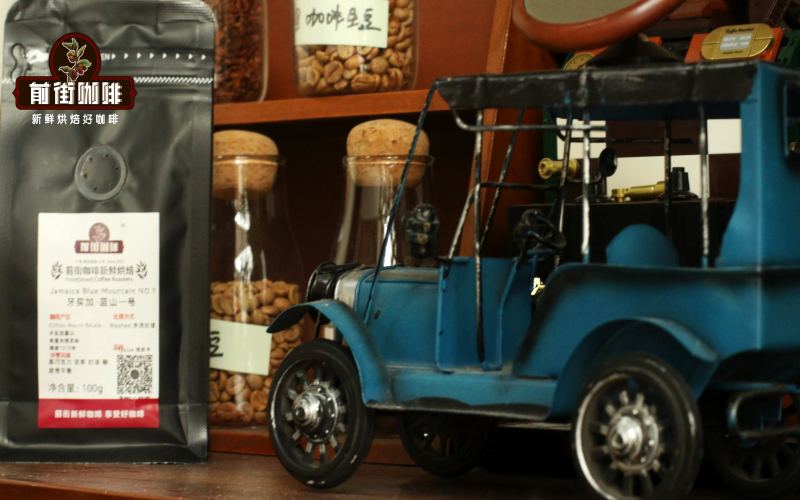
Blue Mountain Coffee Pour-Over Parameters vs. French Press Method Comparison, Washed vs. Natural Flavor Differences, and Authenticity Identification Guide
Jamaican Blue Mountain coffee is world-famous for its mellow, smooth, low-acid, and well-balanced character, making it a favorite among many coffee lovers. Front Street Coffee has long sourced Blue Mountain coffee beans and accumulated rich experience in pour-over and French press brewing. This article shares in detail the complete parameters and steps for brewing Blue Mountain No. 1 at Front Street's shop, including the reasons for choosing the KONO dripper, key details such as water temperature and grind size control, and also compares the different taste experiences brought by French press extraction. In addition, the article explores in depth the flavor differences of Blue Mountain coffee under washed and natural processing methods, analyzes the origin factors behind Blue Mountain's superior flavor, and provides practical methods for identifying authentic Blue Mountain coffee beans, helping you avoid counterfeit products when purchasing. [more…]
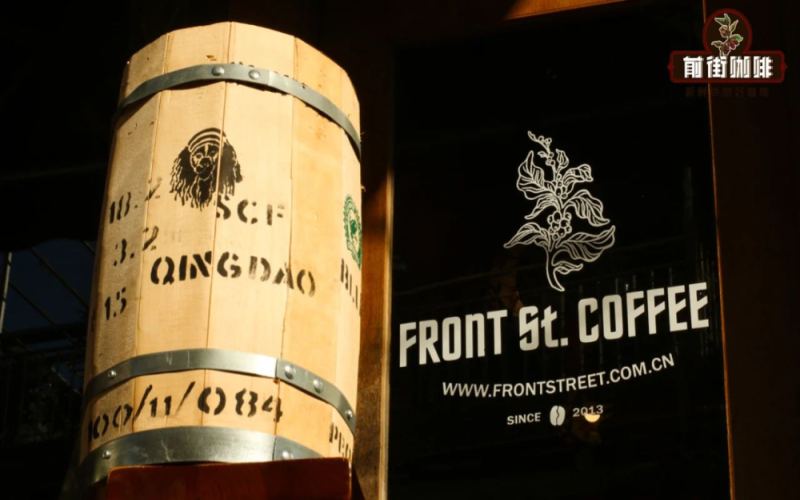
A Comprehensive Guide to Jamaica Blue Mountain No. 1 Coffee Beans: Origin Tracing, Grade Classification, Authenticity Identification, and Pour-Over Flavor Details
Jamaican Blue Mountain coffee is world-renowned, but the market is flooded with imitations, and "Blue Mountain flavor" and authentic Blue Mountain are often lumped together. From the perspective of Front Street Coffee, this article systematically sorts out the historical origins, legally defined growing regions, grading standards, and identification methods of Jamaica Blue Mountain No. 1, and takes a deep dive into the flavor differences brought by washed and natural processing methods. Whether you want to confirm the authenticity of that bag of Blue Mountain beans in your hands, or want to understand Front Street's approach to roasting and brewing Blue Mountain coffee, this article will provide a complete and practical reference. [more…]
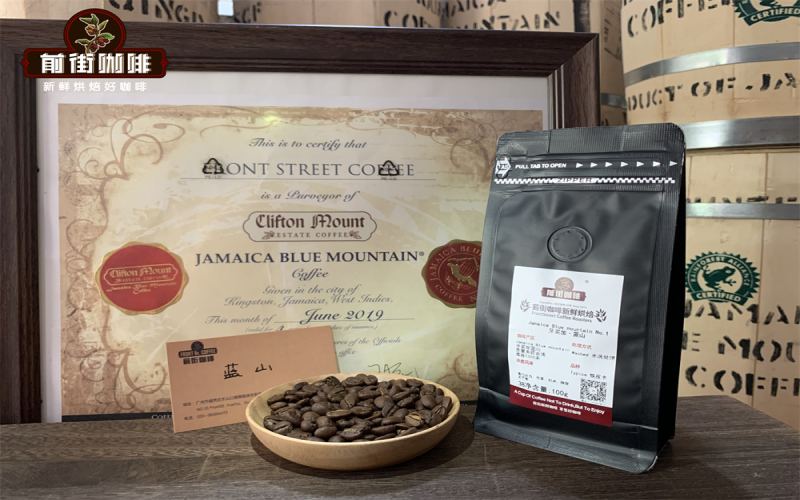
Jamaica Blue Mountain Coffee Bean Varieties and Flavor Analysis: A Complete Guide to Taste Differences Between Washed and Natural Processing Methods
Jamaican Blue Mountain coffee has long been renowned worldwide for its high price and exceptional flavor, but do you know what variety it actually is, and how different processing methods bring about differences in taste? This article, from the perspective of Front Street Coffee, provides an in-depth analysis of the reasons behind Blue Mountain coffee's high price, the origin standards and varietal origins of authentic Blue Mountain coffee, and compares the flavor performance of Blue Mountain coffee under washed and natural processing methods. At the same time, Front Street Coffee also shares practical pour-over parameters and a three-stage pouring technique to help coffee enthusiasts brew a balanced and mellow cup of Blue Mountain coffee at home. [more…]
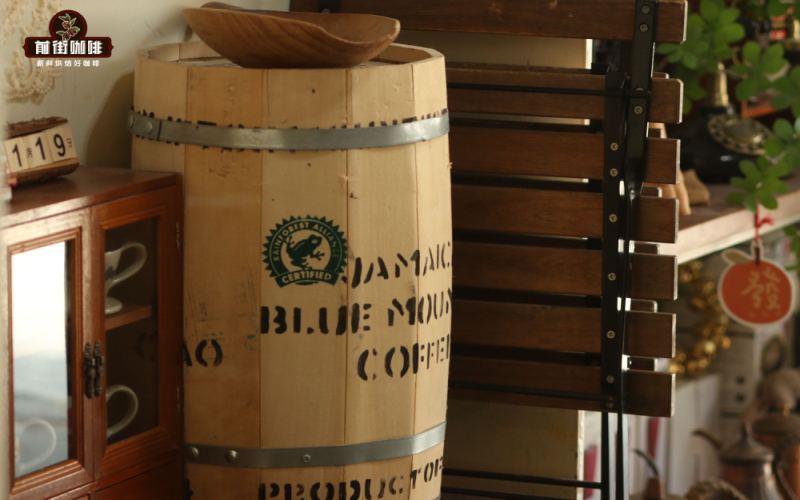
Why Jamaican Blue Mountain Coffee Is Packaged in Wooden Barrels: An In-Depth Analysis from Historical Origins to Quality Assurance
Green coffee beans are usually transported in burlap sacks, but Jamaican Blue Mountain coffee has always been shipped in wooden barrels. This unique tradition has both historical roots and implications for quality assurance. Front Street Coffee will provide a comprehensive explanation of what makes Blue Mountain coffee unique, covering the origins of barrel packaging, the characteristics of the wood, the Rainforest Alliance certification mark, and Blue Mountain coffee's certificate system, estate background, processing methods, and varietal characteristics. At the same time, Front Street Coffee will also share the brewing parameters and flavor profiles of two Blue Mountain No. 1 coffees—one washed and one natural—to give you an in-depth look at every detail of this top-tier coffee. [more…]

Starbucks Reserve Blue Mountain Coffee Beans Explained: Jamaican Origin Varieties, Flavor, and Authenticity Identification Points
Starbucks Reserve stores release limited quantities of Jamaican Blue Mountain coffee beans every two years, sourced from Wallenford Estate, priced at about 398 yuan for 250 grams, with only about 3,500 bags available nationwide. Meanwhile, Front Street Coffee sells Blue Mountain No. 1 from Clifton Mount Estate, priced at 158 yuan/100 grams, which is the only estate in Jamaica with Rainforest Alliance certification. This article focuses on Blue Mountain coffee's origin and terroir, the evolution of the Typica variety, methods for identifying authenticity, the flavor differences between washed and natural processing methods, and Front Street Coffee's roasting recommendations and brewing parameters, helping coffee enthusiasts gain a comprehensive understanding of this legendary coffee. [more…]
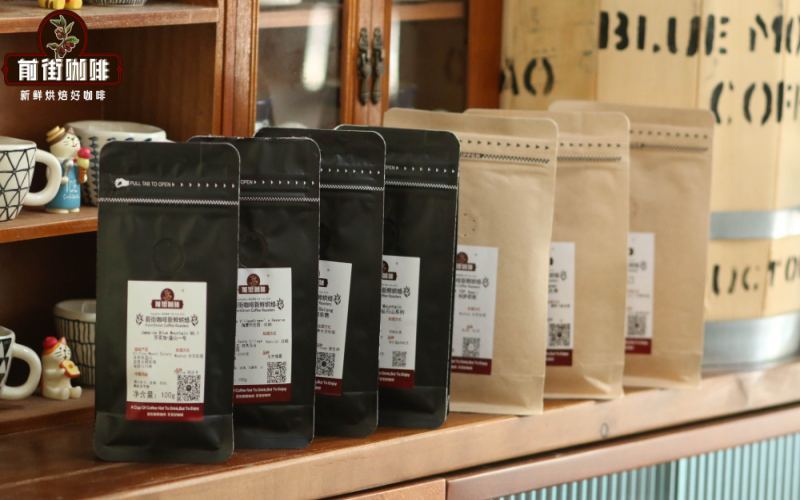
Blue Mountain Natural and Hacienda La Esmeralda Blue Label Geisha: How Two Processing Methods Reshape Classic Coffee Flavors
When Jamaica Blue Mountain first attempted natural processing, while Panama's Hacienda La Esmeralda extended the natural method to its Blue Label Geisha, an interesting intersection in processing methods emerged between two coffees representing Old World and New World styles. Front Street Coffee conducts a side-by-side comparison of washed and natural versions, systematically examining from green bean appearance, roasting curves, to cupping flavors how processing methods affect coffee's sweetness, aroma, and cleanliness, helping enthusiasts understand the essential differences and respective advantages of washed and natural processing. [more…]
A Complete Guide to Jamaican Blue Mountain Coffee Beans: Regional Characteristics, Grading, Pricing Factors, and Pour-Over Parameters
What exactly is Blue Mountain coffee? Why do some cafés sell it at a less-than-exorbitant price, while others charge an outrageous fortune? This article systematically sorts out the core knowledge of Jamaican Blue Mountain coffee beans, from the definition of the origin, grading classifications, and variety characteristics to the historical causes of its price and brewing parameters. It also explains how to identify authentic Blue Mountain through wooden barrel packaging and export certificates, introduces the differences between the washed and natural versions from Clifton Estate, and shares Front Street Coffee's medium-dark roast recommendations and Kono dripper brewing method, helping coffee enthusiasts build a complete understanding of Blue Mountain coffee. [more…]
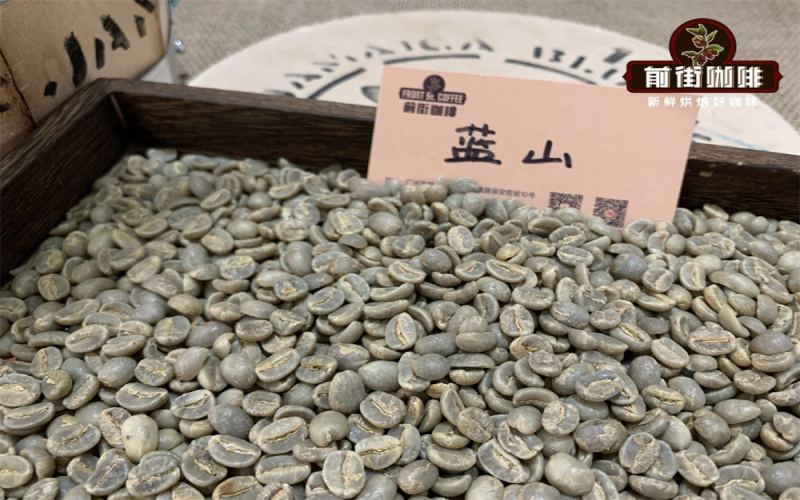
What Other Coffees Are There Besides Jamaican Blue Mountain? A Full Analysis of Blue Mountain Grading and Variety Processing Methods
Jamaica does not produce only Blue Mountain coffee, and there is also a clear grading system within the Blue Mountain region itself. This article begins with the flavor characteristics and price composition of Blue Mountain coffee, sorts out the three grades of Jamaican coffee—Blue Mountain, High Mountain, and Jamaican coffee—as well as the grading standards of NO.1, NO.2, NO.3, and PB, and provides an in-depth introduction to the varietal origins of Blue Mountain coffee and the differences between the two processing methods of washed and natural. The article also includes the brewing parameters and flavor descriptions recommended by Front Street Coffee, helping coffee enthusiasts gain a more comprehensive understanding of this world-class specialty coffee. [more…]